
Recovering $1.6M a year in project hours
Timesheets rebuilt from memory were leaving reimbursable hours unclaimed. We turned an internal prototype into a production Claude skill that drafts them and files them for approval.
$1.6M
in annual recovered revenue
67 hrs/mo
of work recovered across the company
30%
adoption across 90 employees

Overview
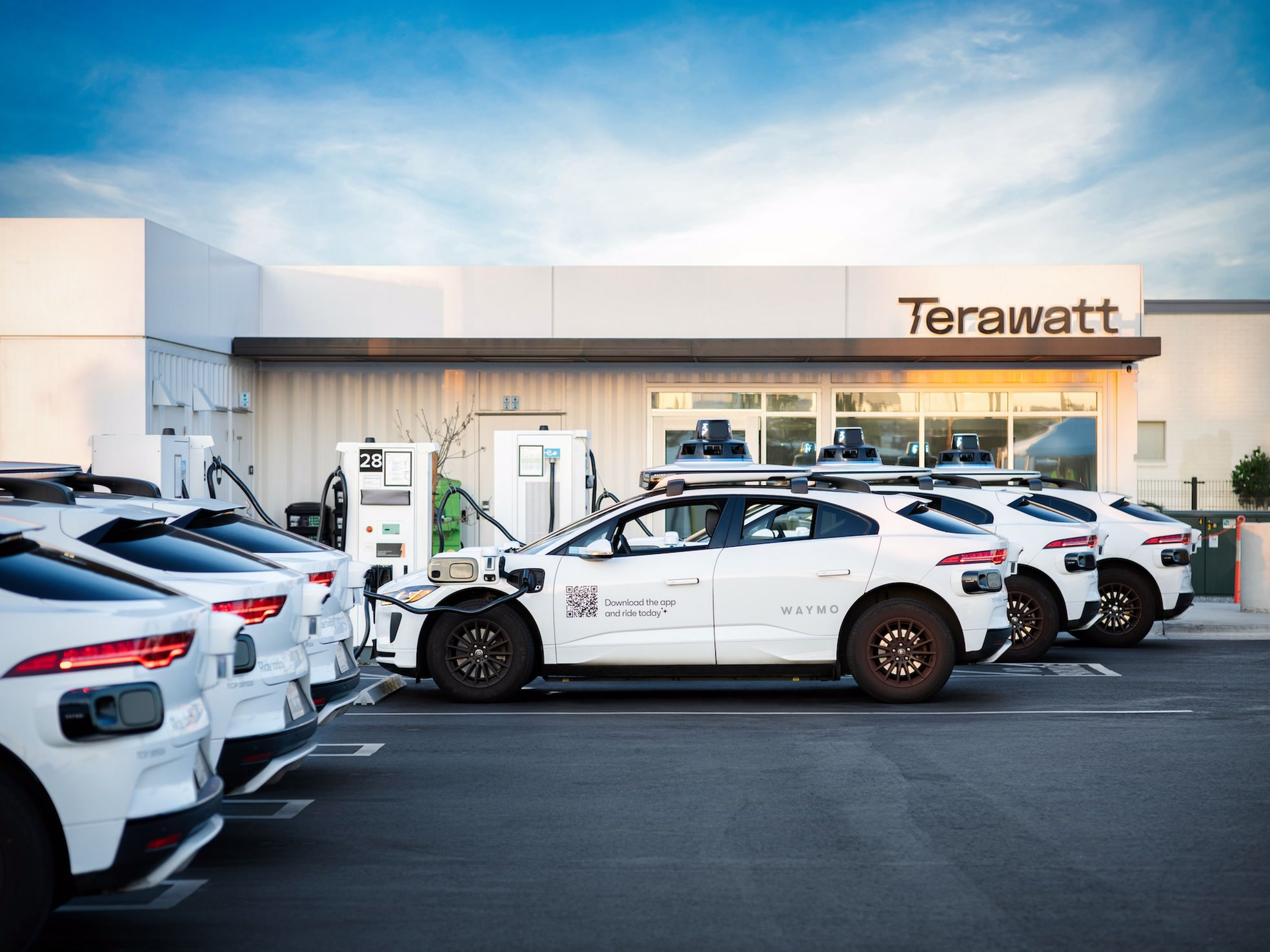
Terawatt Infrastructure is a leading EV charging infrastructure platform for commercial EV and autonomous fleets. With $1B+ raised, Terawatt owns and operates the full EV charging stack: everything from finding powered land to the daily hardware operations.
The process of integrating all of these workstreams is highly complex, and one of the biggest challenges we discovered early on was project time tracking.
Like most manual data entry tasks, submitting a timesheet twice a month sat on the back burner until the deadline. Reconstructing two weeks of work by combing through Slack messages, emails and calendar events was extremely time consuming. Automating that audit, we estimated, would return about 67 hours a month across the company.
What set Strata apart was their rigor and process. They dollar-valued every candidate project before we committed to anything, which killed a few ideas quickly and made the priorities obvious. That discipline got us to real outcomes fast, and six weeks in we had working tools and, more importantly, a team that could keep building without them.

Titiaan Palazzi
Chief Product & Strategy Officer, Terawatt
The Challenge
But the larger cost was not time. Terawatt's development managers perform project work that is reimbursable against the projects themselves, so hours that are unrecorded go unrecovered.
After talking with Terawatt's development leadership, we estimated that under-captured hours were leaving $1M to $1.6M of reimbursable cost unclaimed each year.
In other words, the money was already in the projects and the work had already been done. Only the capture was missing, because two weeks reconstructed from memory is systematically under-reported.


The Solution
Before we arrived, Construction PM Danny Chaviano prototyped a Claude skill to automate his own timesheet generation using off-the-shelf Claude connectors. It worked on his laptop, but when he shared it with others they hit several blocking issues. We rebuilt that prototype to make it production ready.
- Dynamic project coding. Danny's projects were hard-coded into the original skill. We reworked it so Claude infers projects through Smartsheet lookups and stores them in user memory, so subsequent runs already know the user's projects.
- Built-in data validation. Sites are referred to by address, and addresses appear inconsistently across company systems ("Street" vs. "St"). Mismatches made the output difficult to import. We built a reference workbook with data validation on every cell, so incorrectly coded values are flagged automatically.
- BambooHR integration. The old skill instructed Claude to create a Google Sheet as the final product, which was then shared with HR administrator Princess Montenegro, creating additional overhead to bring it into BambooHR. In the new version we built a custom BambooHR MCP connector that lets Claude submit hours for manager approval automatically, after user review.
That final step required some custom engineering, but it was the key to automating this workflow without shifting the overhead onto the HR team.
We demoed the skill at a company all-hands and installed it with everyone who submits timesheets. Because timesheets are due at the same point in every cycle, we also scheduled the skill to run three days before the expected deadline, twice a month.
Our initial discovery had surfaced more opportunities than timesheet tracking alone. In our continued work with Terawatt we take on the cross-functional builds like time tracking end to end, while simultaneously running training programs that empower individuals to build their own AI tools.
- Group workshops. 60 minute group sessions where we dive deep into specific topics like Claude Cowork vs Chat, or common pitfalls in building skills.
- Office hours and 1-1 sessions. 15 minute sessions for individual troubleshooting and feedback.
- Company-wide demos. Showcasing the most interesting use cases of AI to inspire new ideas.
The results
Adoption
30%
of 90 employees
Time recovered
67 hours
a month across the company
Recovery upside
$1M to $1.6M
estimated annually
Time to production
4 weeks
from kickoff
Related case studies

Building a teammate instead of buying a tool
Geoforge needed a generalist who could turn what a customer wanted into a ticket, build the fix and confirm it. Nothing on the market could be self-hosted with direct access to their product, so we built Woz.
GitHub PR commits
393
WoW adoption growth
53%

Unlocking 9 years of project history
Bednark's Claude rollout stalled because the answers were too generic. We built a custom MCP server so Claude could reach the ERP, the meeting transcripts and nine years of project correspondence.
Internal records unified
670,000+
Custom connector activity
88%